
Artists 2026
Maxime Ballesteros
French photographer Maxime Ballesteros was born in 1984 in Lyon, studied fine art, worked in Berlin for over ten years and now lives and works in Paris. His work straddles the boundaries between raw documentary, unbridled fashion and nocturnal anarchy. It was on the Berlin scene that his distinctive visual style emerged – sharp flashes, stark contrasts, wild parties, leather, high heels and clever eroticism. His photographs do not merely skim the surface; with uncompromising honesty, they capture the intoxication of the moment, human intimacy and the fragility of freedom experienced in the here and now.


Ballesteros usually photographs without lengthy staging, right at the heart of the action. His images regularly feature in the pages of prestigious magazines such as Purple, 032c, i-D and Interview. In 2017, he published the monograph Les Absents, acclaimed by critics and the photography community alike, from which the series screened at Fotojatka is drawn, supplemented by more recent work.
Sean Kernan
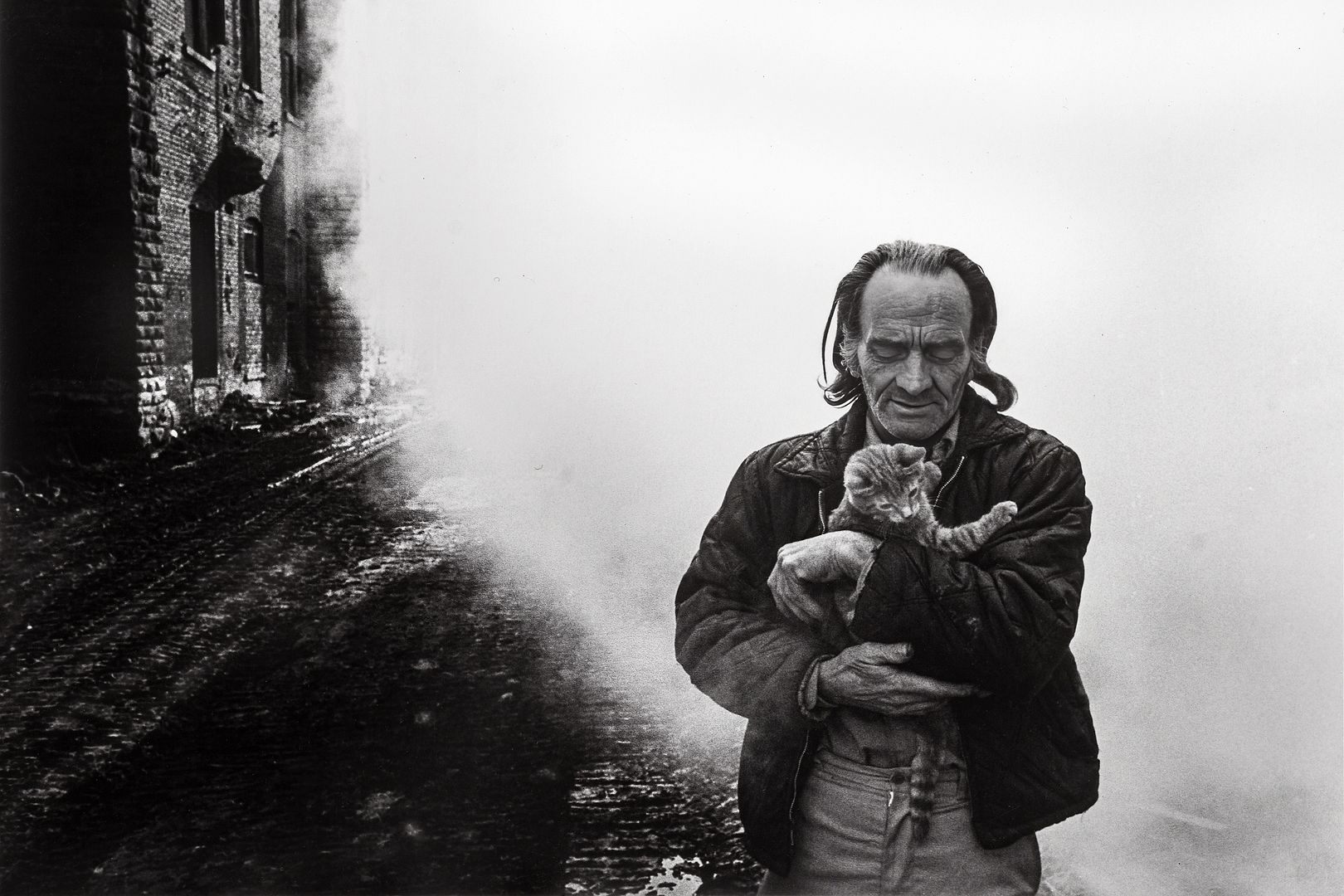
American photographer, writer and lecturer Sean Kernan (b. 1942, New York) came to photography via his studies in literature and theatre directing. Throughout his long career, he has successfully combined commercial commissions with highly personal projects and has published acclaimed monographs – including The Secret Books, created in collaboration with the writer Jorge Luis Borges. Kernan’s work is characterised by a philosophical perspective and an interest in the very process of creativity and perception, on which he has lectured at institutions including Yale Medical School and the Parsons School of Design.
Life Without Mercy
The Life Without Mercy series takes viewers into American prisons in the second half of the 1970s. Kernan originally entered the correctional facility without a clear plan or commission – he had no interest in cheap sensationalism, voyeurism or criminalistic documentation. Instead, he engaged in a quiet dialogue with the prisoners. The result is a timeless, raw and visually pure account of imprisonment, solitude and survival behind bars, in which tattoos, scars and prison bars serve as a backdrop for a profound insight into the human condition.


Ania Kłosek
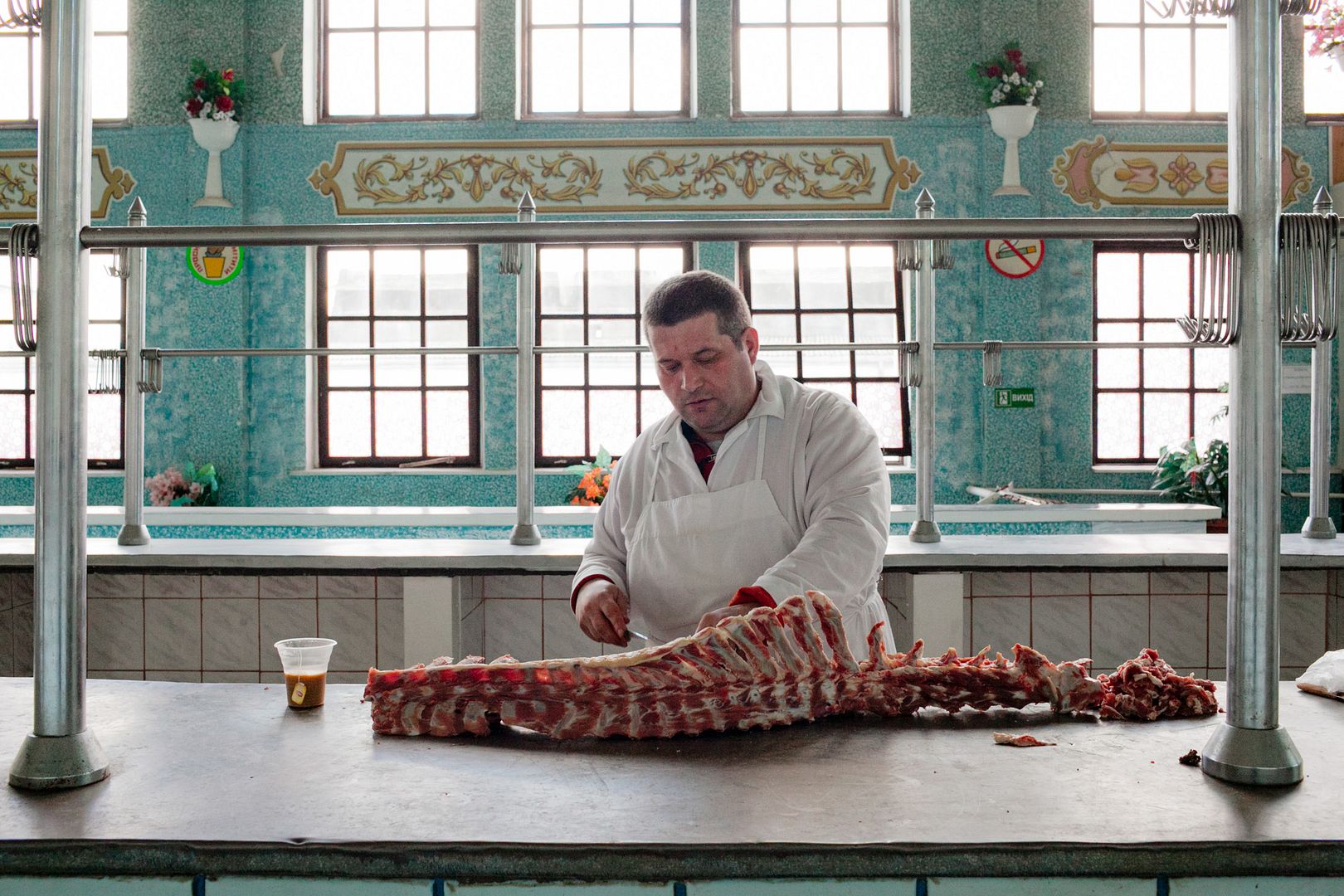
Ania Kłosek (b. 1976) is a Polish documentary and street photographer. For her, the world around us is a source of authentic, unstaged moments. She honed her visual language right on the street, from where she developed a flair for capturing people in their natural surroundings. In recent years, she has been documenting events in contemporary Ukraine, where she records, without pathos, both the small and the significant moments of everyday life against a backdrop of dramatic events.
The artist has exhibited all over the world, has won numerous international awards and regularly serves as a judge at prestigious street photography festivals from Miami to London. She is a member of the UnPosed collective of street photographers. She studied intercultural relations at the University of Warsaw and is currently studying at the Institute of Creative Photography in Opava.


Ukraine (2015–2025)
The series on display, selected from photographs taken since 2014 as part of the projects Donbas's Apricots, There Was a Border and The Ukraine Project, is thematically linked by everyday life in the Ukrainian countryside and small towns. Whether photographing places that belonged to Poland before the war, the Donbas war zone or everyday life, Ania Kłosek does not seek out dramatic situations. She is far more interested in the relationship between intimate moments and the social context against the backdrop of the ongoing armed conflict.
Sanna Sjöswärd
The Swedish photographer and visual storyteller Sanna Sjöswärd was born in 1973 in Tehran, Iran, and was adopted into a Swedish family as a child. Partly due to her own experience of searching for her roots and identity, she is one of the most prominent practitioners of humanist documentary photography in Scandinavia. Her work has long focused on themes of vulnerability, human dignity and the lives of women. In 2006, she published her photography book Rötter / Roots, which explored her search for her origins and identity. Later, in 2009, she wrote and published her acclaimed autobiography, My Mother is a Persian Princess, which tells the story of her personal journey and search for my biological family. Her most recent book, Two Faces (2013–2019, book 2026), explores the private lives of two young Iranian women. Her work stands out for her ability to build deep mutual trust with the people she photographs, enabling her to dive into to the very essence of their inner worlds without crossing the line into voyeurism.
Engla Louise
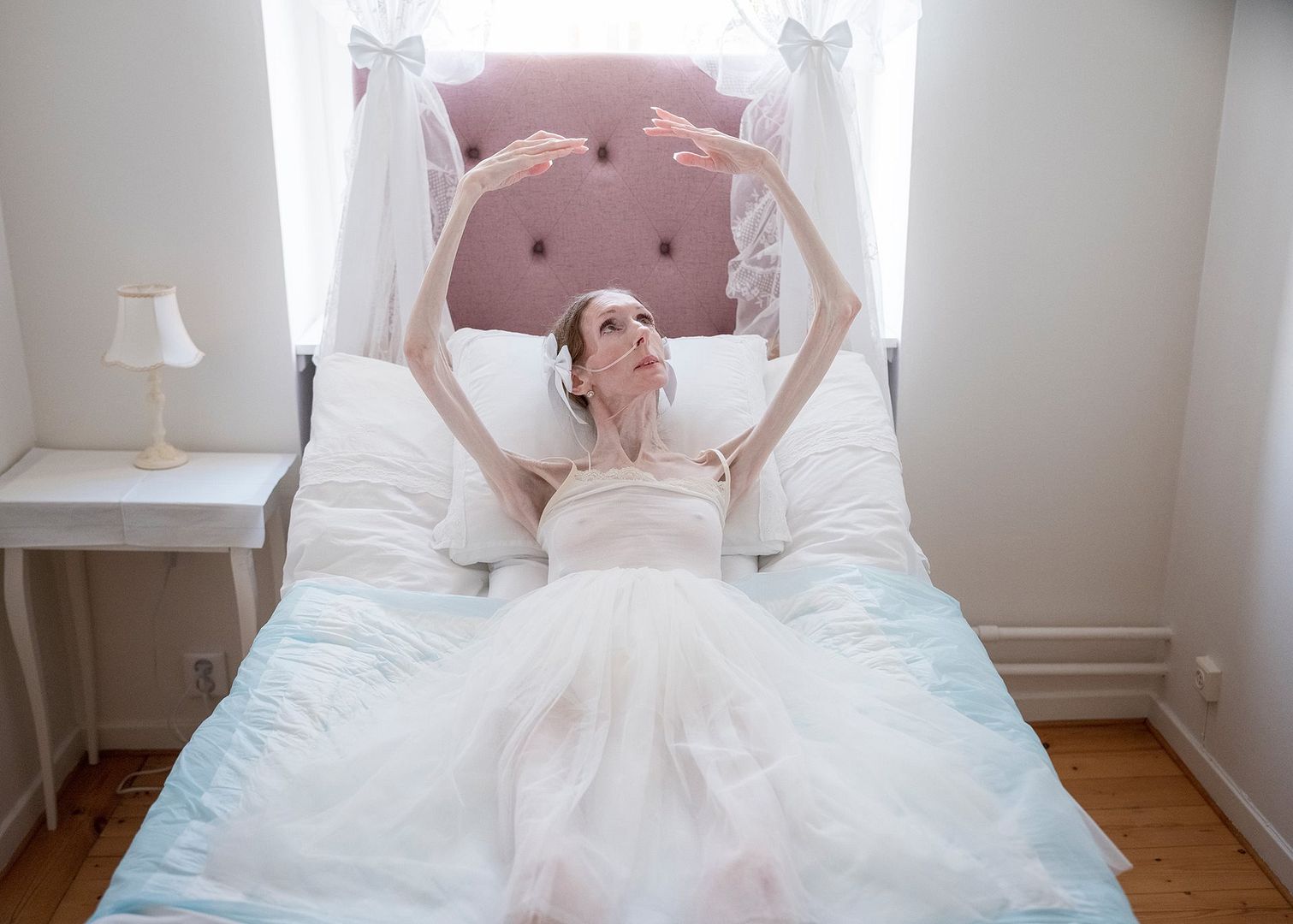
Sanna began photographing the Engla Louise series back in 2008, when, as a journalist, she met the then 29-year-old former ballerina, who had been battling severe anorexia nervosa since the age of ten. Years later, in 2025, Engla, then aged 46, contacted the photographer herself, expressing a wish to continue documenting her life. The resulting series, which won first prize in the World Press Photo competition, goes beyond a mere report on illness. It is a chilling yet tender look at life of a woman who, despite her condition, never gave up on her passion, as well as an indictment of systemic failures in care and social prejudices; but above all, it is a deeply empathetic story of human closeness, fragility and the will to live.
Engla Louise passed away on November 12th, 2026, aged 47.


The Bragdon Brothers
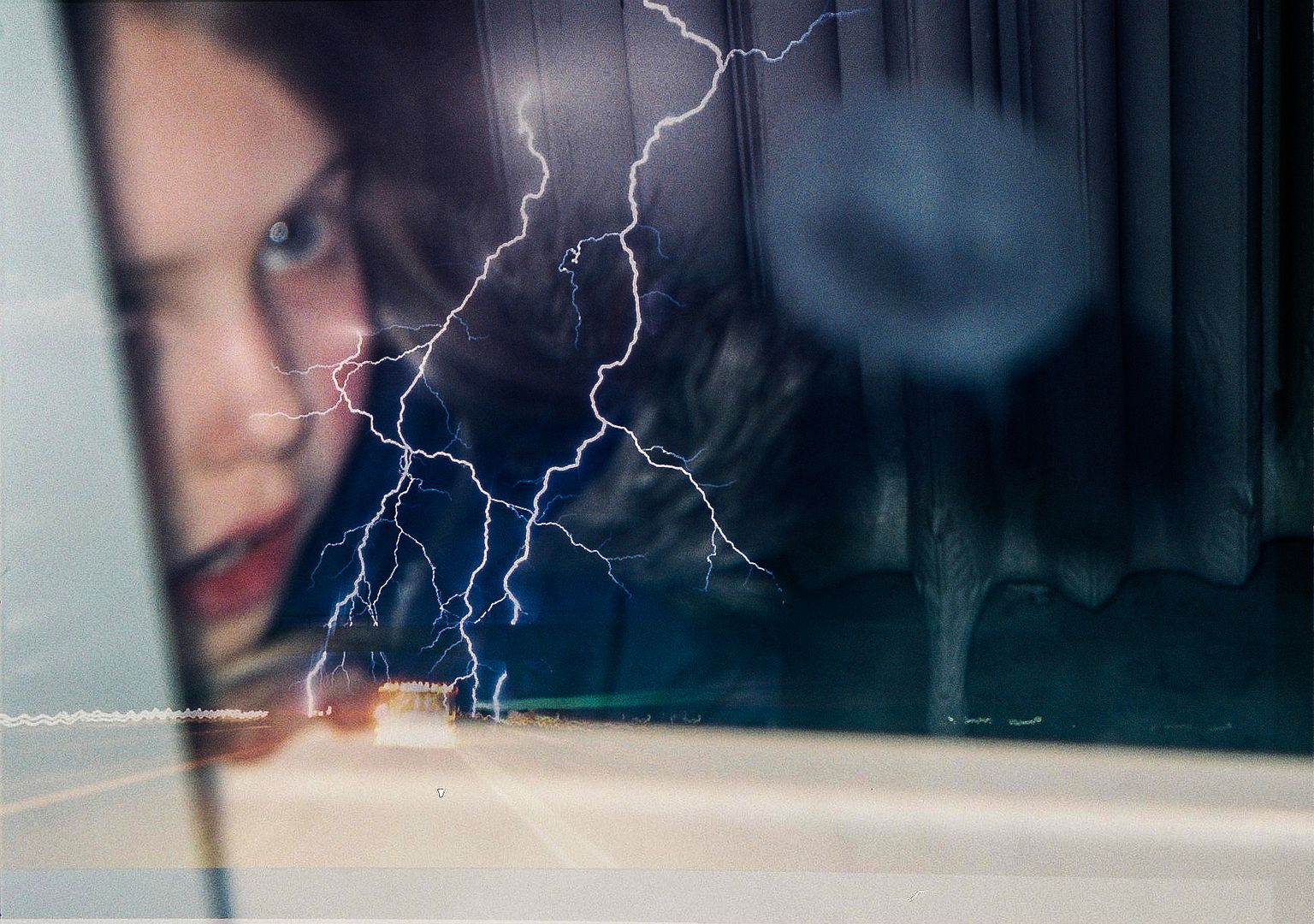
Brothers Gavin (b. 1984) and Gareth (b. 1989) The Bragdon Brothers are a creative photographic duo who have been building on the foundations of raw street and documentary photography for over a decade. Their work is characterised by a dreamlike, slightly unsettling aesthetic, in which everyday reality blends with humour, surrealism and hidden nightmares. They worked for many years in Edinburgh, Scotland – the birthplace of their acclaimed street photography – before returning to the United States. They currently live in the Baltimore and Washington area, where they document the transformations of their homeland with a sharp, distinctive artistic vision.


Phantasmagoria
In addition to international exhibitions and workshops, in 2025 they published the monograph Phantasmagoria with Eyeshot Press, which also forms the basis for the screening at this year’s Fotojatka.
Garry Efimov
Garry Efimov (b. 1987) comes from Cherkasy in Ukraine, but his current work is created in Kyiv – amidst constant pressure and Russian attacks on the capital. From street photography and the search for visual poetry, minor absurdities or chance encounters, he has gradually shifted towards pure, straightforward portraiture, which he nevertheless approaches with the experience and sensitivity of a street photographer.


His series of black-and-white portraits demonstrates that no props or complex techniques are needed to create a powerful, emotionally charged image. In this series, the faces and bodies of individuals – artists, families, children, wedding guests and war veterans – are juxtaposed with snapshots of everyday life in today’s Ukraine, as seen through the eyes of someone who lives there.
Radek Kalhous
Radek Kalhous (b. 1974), a photographer and documentary filmmaker from Pardubice, spent over twenty years working as a daily news photographer for MF DNES. He has won numerous awards in the Czech Press Photo competition; however, after leaving journalism, he swapped the straightforwardness of newspaper pages for deeper artistic exploration and teaching photography. His work is based on the ability to transform a routine event into an intimate experience.
At the festival, he presents three distinctly different aspects of his work, which together demonstrate the breadth of his artistic scope.
Bohemia
The centrepiece of his work is the long-term project Bohemia. In this personal visual diary, he ceased to perceive the Czech landscape, suburbs and interiors merely as documentation; instead, he started to understand them as witnesses of memories, moods and the realisation that home is not a point on a map, but a state of inner peace.
Wilderness
In the emotionally raw series Wilderness he documented the melancholy and oppressive sadness of animals in captivity of winter zoos – a feeling that is also conveyed to the human standing face to face with the animal. More than a series of animal portraits, Wilderness has become an exploration and record of the artist’s own emotions.
Winter Swimmers
The Winter Swimmers series, by contrast, began as a commission for a publication; however, instead of the expected cheap bizarreness, Kalhous discovered the infectious vitality and joy of the winter swimming community. This series eventually gained worldwide attention when it was published by the American magazine Time with a circulation of two million copies.


Josef Illík
Josef Illík (1919–2006) was one of the most significant cinematographers in Czech cinema. His visual style helped shape films such as The Ear, Witchhammer, Coach to Vienna and Three Wishes for Cinderella. He studied photography in the late 1930s at the Prague School of Graphic Arts under Ladislav Sutnar and Jaromír Funke. Although he devoted most of his life to film and Barrandov Studios, he never gave up on photography throughout his life.


His estate contains over four thousand black-and-white negatives, which he shot between 1943 and 1966 using the legendary Rolleiflex camera. Paradoxically, he made almost no prints from them during his lifetime, and the photographs thus only saw the light of day in the digital age. The images from the archive present Illík in a purely auteur role – they are evidence of his humanistic view of the world, his eye for detail and his artistic conciseness, and they show that his cinematic vision of the world was not merely his profession, but a natural way of thinking.
Maya Golyshkina
During the pandemic lockdowns, Maya Golyshkina (b. 2001) caught the attention of Instagram with her bizarre self-portraits, for which she crafted giant props of everyday objects from cardboard and duct tape in her bedroom: a toothbrush and toothpaste, an egg-dress, a giant human ear or a razor with a hairy leg. When Russia attacked Ukraine in the spring of 2022, Maya emigrated from Moscow to London and, with virtually no money, continued what she had started. Her world became one of DIY improvisation, self-deprecating humour and imperfection. In her hands, clippings from fashion magazines, lumpy cardboard costumes, rough brushstrokes of colour and visible digital retouching became a natural response to the absurdly prim world of advertising and the perfectly polished profiles on social media.


Her unique aesthetic has captivated the world and led to collaborations with prestigious fashion brands, international magazines, renowned galleries and a host of artists, including the legendary Martin Parr. Maya is living proof that one can make it big against all odds – even without money or formal education, simply through boundless originality, hard work, wit and a firm belief in what she does.
Paweł Adamek
Paweł Adamek (b. 1970), who is studying at the Institute of Creative Photography in Opava, is a teacher and photography enthusiast. In his work, he focuses on reportage about people in their immediate surroundings, aiming above all to capture the emotions and complexity of human life. He creates projects that blur the border between documentary and social observation.
He explores a wide range of themes, from the personal to the social and spiritual, spanning Hasidism, nudes and everyday life, right through to visual documentation of music festivals. He has received numerous international awards for his work (including at the Monovisions Photography Awards, the Budapest International Foto Awards and the 1839 Awards). He exhibits regularly in Poland and abroad.
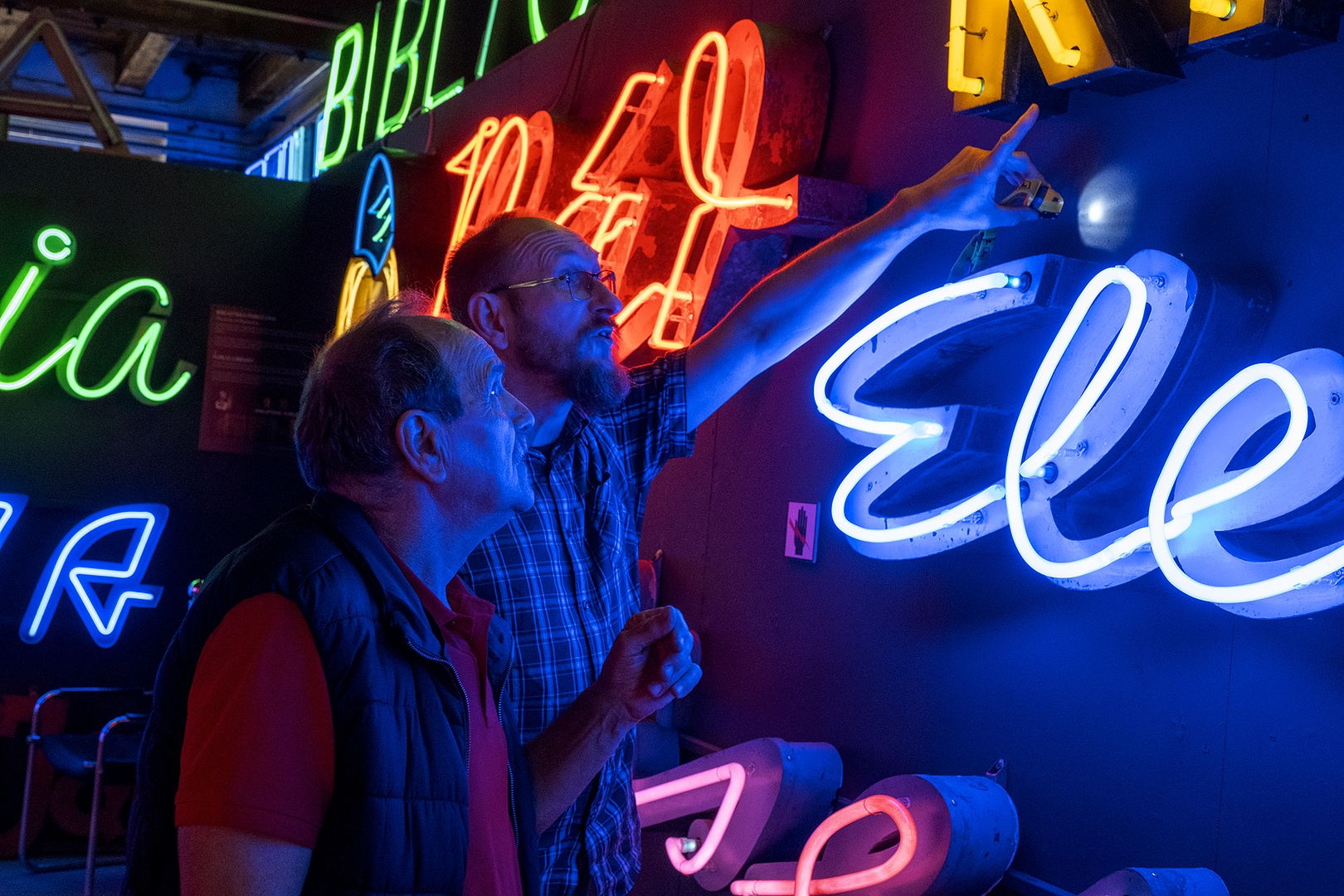
The Neon Doctor
In the series The Neon Doctor, he offers a glimpse into the workshop of Romuald Szczerba – one of the last masters keeping the glowing nostalgia of Warsaw’s streets alive. This light-hearted documentary exploration exudes the atmosphere of honest craftsmanship, the heat of glass tubes and the softly glowing colours that are slowly disappearing from today’s world. It focuses not only on the technology behind the craft itself, but above all on the man for whom bending glass over a gas burner and preserving historic signs have become a lifelong mission.


Karel Řepa
Painter, teacher and photographer Karel Řepa, born in 1979 in České Budějovice, naturally combines his own creative work with art education, art theory and art therapy in his professional and artistic career; he studied these subjects at the University of South Bohemia and J. E. Purkyně University in Ústí nad Labem. Since 2009, he has been exhibiting regularly at solo and group exhibitions throughout the country and abroad.
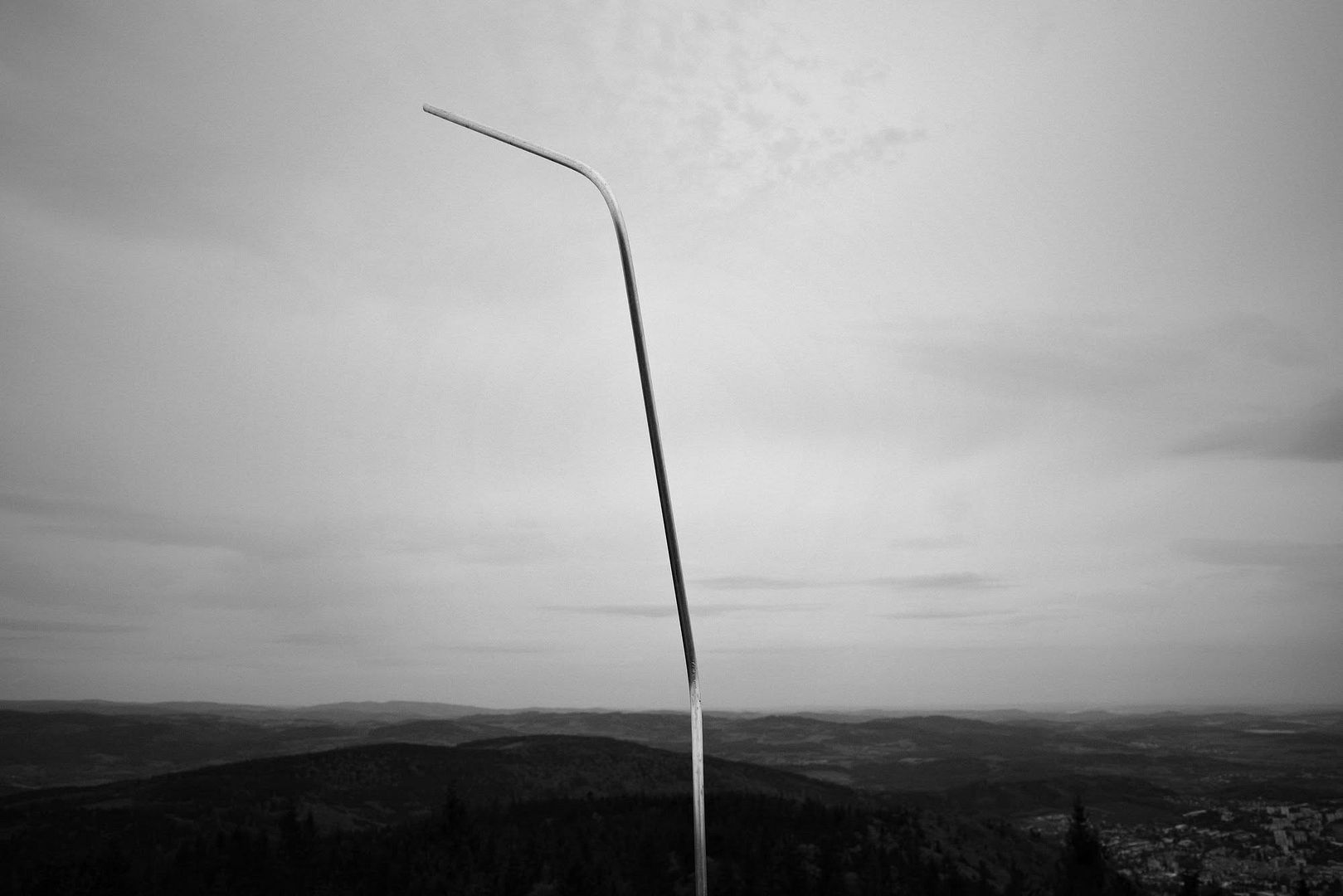
His paintings and photographs are characterised by an ability to find a distinctive poetic quality where few others look for it. Rather than dramatic gestures, he seeks out contemplative still lifes, spatial relationships and the subtle horizons of everyday landscapes and architecture.


Meeting Points
This mosaic of chance encounters between traces of human civilisation and the landscape has been created over the years during the artist’s walking and cycling journeys across Europe and beyond. The images are built on visual contrasts and unexpected symbiosis, in which beauty meets absurdity and quiet melancholy blends with unexpected humour.